The five steps
- Choose dates & location. Pick where and when you'll collect and return the car. Airport, city, or cruise-port pickups all work.
- Pick a car class. Economy for errands and city driving, an SUV or van for groups and gear. You choose the class, not the exact model.
- Add coverage (optional). Decide on CDW and liability, or use your own policy / credit-card coverage.
- Bring your documents. A valid driver's license, a payment card, and the deposit (from $250). International visitors may need an IDP.
- Inspect & drive. Photograph any existing marks, note the fuel level, and go.
Smart tips
- Book early for the best rate and vehicle choice, especially in peak season.
- Read the fuel & mileage terms — iRent is same-to-same fuel with unlimited Florida miles for out-of-state renters.
- Consider skipping the deposit with DepositFree.
- Return it clean, full, and on time to avoid extra fees.
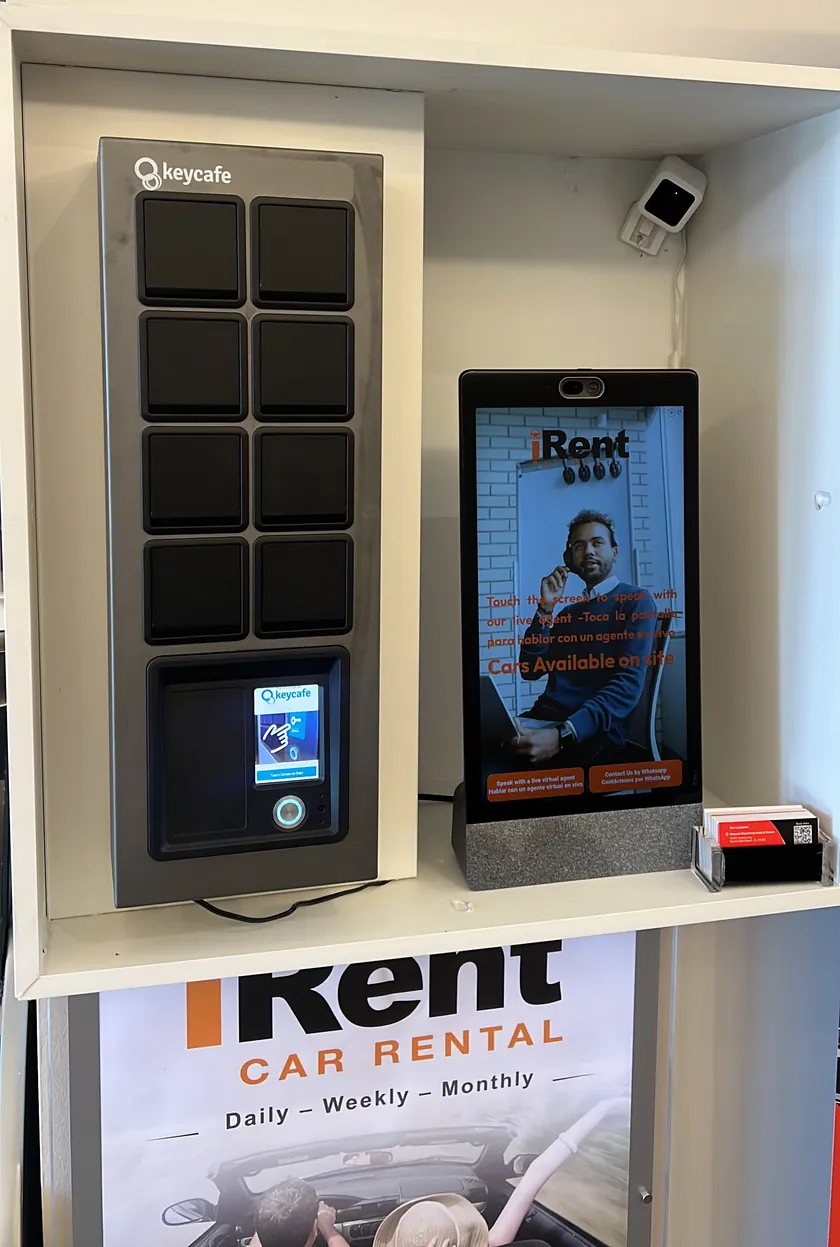
🔑 At iRent it's even simpler — self-service pickup from a smart lockbox, with a free 24/7 airport shuttle.
Frequently asked questions
What do I need to rent a car?
A valid driver's license, a payment card in your name, and a refundable deposit (from $250 at iRent). You must meet the minimum age — 21 at iRent. International visitors may need an International Driving Permit.
How old do you have to be to rent a car?
It varies by company. iRent rents to drivers 21 and up, while many national chains require 25. Drivers 21-24 pay a small young-driver fee.
Do I choose the exact car model?
Usually you choose a class (economy, SUV, van), and the company assigns a specific model in that class. Tell iRent if you have a preference.
What should I check before driving off?
Photograph any existing scratches or dents, confirm the fuel level, and make sure the coverage on your agreement matches what you expected.